Quick answer
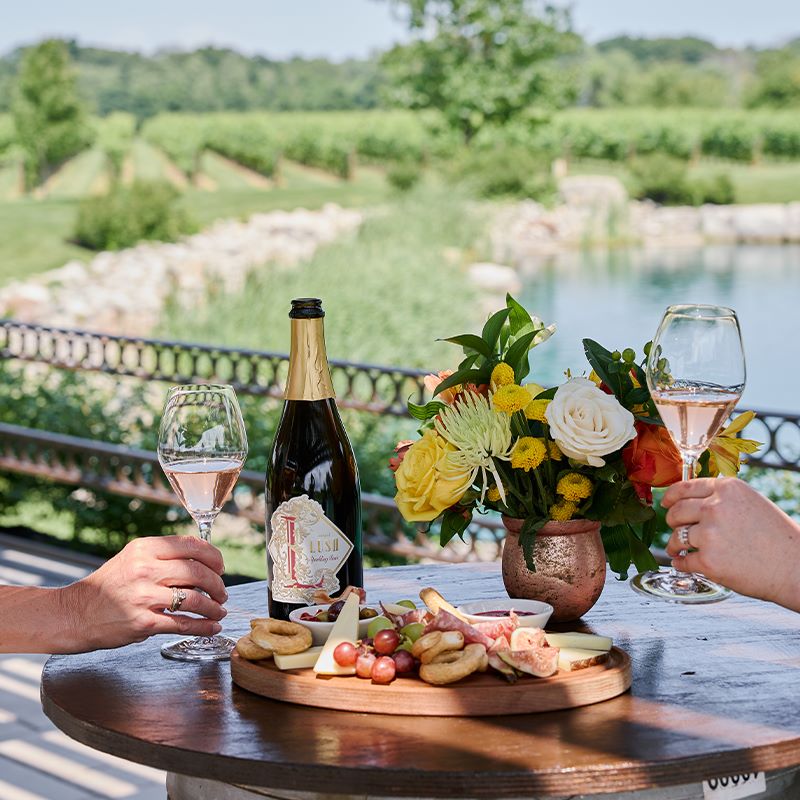
Toronto wine tasting events center on Niagara-on-the-Lake wineries, which operate daily from 09:00 to 17:00 throughout the year. Individual tastings cost between 10 and 35 CAD per person depending on flight size and varietal selection. Spring brings blossom festivals in late April, summer offers vineyard concerts from June through August, autumn features harvest events from September to October, and January through March showcases icewine celebrations unique to Ontario's cold-climate viticulture.
Niagara-on-the-Lake produces more than 90 percent of Canada's icewine, a dessert wine made from grapes frozen on the vine—a climate accident turned signature export. That single varietal anchors the region's event calendar and separates Niagara tastings from European wine tourism models. Wineries along the Niagara Wine Route structure their calendars around three event tiers. Daily walk-in tastings require no reservation and run throughout standard operating hours. Seasonal festivals—blossom tours in spring, harvest stomps in autumn—draw weekend crowds and often sell out two weeks ahead. Specialized experiences like vertical icewine flights or winemaker dinners operate by appointment and fill months in advance during peak summer and December holiday windows. Toronto wine tasting events favor the shoulder seasons. September through early November delivers harvest activity without August's tour bus congestion, and the late-autumn palette of red and gold vine rows frames the escarpment backdrop. January icewine festivals coincide with the coldest weeks, when sub-zero temperatures allow pickers to harvest frozen grapes at dawn. Spring blossom season offers lighter crowds than summer but depends on weather; late frosts can delay bloom by two weeks. Most estates cluster within a 15-kilometer radius of the town center, making multi-winery days feasible without highway driving between regions. Tasting fees apply per winery and typically include four to six pours. Several producers waive the tasting charge with a bottle purchase, while reserve collections and library vintages command higher fees. The absence of a blanket regional entry fee means visitors control their budget by choosing which estates to visit and how many tastings to book. Transportation shapes the experience. Self-drive visitors benefit from flexibility but must designate a non-drinking driver or limit consumption. Organized wine tours from Toronto eliminate the drive concern and often bundle multiple tastings into a single-day itinerary, though departure times and return schedules are fixed. Cycling the flat vineyard roads between estates remains popular May through October, with bike rentals available in Niagara-on-the-Lake town center. The region's boutique scale means personalized service at smaller estates, where owners or winemakers often pour tastings themselves. That intimacy contrasts with the polished visitor centers at larger operations, where structured tours and formal tasting bars serve higher volumes. Both models coexist within the same appellation, allowing visitors to mix experiences across a single-day itinerary.
“Niagara-on-the-Lake produces more than 90 percent of Canada's icewine, a dessert wine made from grapes frozen on the vine.”
Optimal Timing for Toronto Wine Tasting Events in Niagara
The best arrival window is 09:00–11:00, allowing visitors to experience the region before peak mid-day crowds arrive. Planning around seasonal cycles helps balance the experience between active harvests and quieter shoulder months.
Weekday mornings
Minimal—
Visiting mid-week during the early morning hours provides the most consistent access to tasting rooms without congestion.
May to June
ModerateMild, 15°C to 22°C
Vineyards are active with new growth and regional temperatures remain comfortable for outdoor exploration.
September to October
HighCool to moderate, 10°C to 18°C
Harvest season brings significant activity to the region, offering a look at peak agricultural production.
November to April
LowCold, -5°C to 5°C
Winter months offer a quiet atmosphere, though many outdoor vineyard activities pause as operations move indoors.
Verdict: For the most balanced experience, visit Tuesday to Thursday between 09:00 and 11:00 during the months of May or October.
Standard Operating Hours for Toronto Wine Tasting Events
The Niagara Wine Region maintains a consistent daily schedule to accommodate visitors planning excursions from Toronto. Wineries operate on a uniform basis throughout the week.
| Monday | 09:00–17:00 | |
|---|---|---|
| Tuesday | 09:00–17:00 | |
| Wednesday | 09:00–17:00 | |
| Thursday | 09:00–17:00 | |
| Friday | 09:00–17:00 | |
| Saturday | 09:00–17:00 | |
| Sunday | 09:00–17:00 |
Pricing Structure of Toronto Wine Tasting Events
There is no standard regional entry fee to access the Niagara wine region. Costs are incurred based on individual tasting experiences at each winery.
Adults pay zero for regional access, with total costs determined solely by the number and selection of individual winery tastings chosen.
Travel Logistics for Toronto Wine Tasting Events
The Niagara wine region is located in Niagara-on-the-Lake, ON, Canada. Visitors typically access the area by driving via the QEW highway or utilizing regional transit connections from Toronto.
QEW Highway towards Niagara Falls, exiting at Glendale Ave
GO Transit Lakeshore West line to Niagara Falls Station
Megabus from Union Station Bus Terminal to Niagara Falls
Essential Tips for Attending Toronto Wine Tasting Events
Navigating the Niagara wine region effectively requires a strategic approach to pacing and professional etiquette.
Book private appointments
Weekends often reach capacity, so contacting wineries in advance for private tastings ensures dedicated time with staff. Mid-week visits allow for more informal conversations with winemakers or floor managers.
Spit cup usage
Using the provided spit bucket is standard practice and expected during multiple tastings to maintain clarity of palate. It is not considered rude, but rather a sign of a serious wine enthusiast.
Palate cleansing
Drink water between each stop and avoid wearing heavy fragrances, as scents interfere with the ability to detect subtle wine aromas. Most tasting rooms provide water, but carrying a personal bottle is recommended.
Transportation logistics
Plan your transit ahead of time, as ride-sharing services may have limited availability in rural sections of Niagara-on-the-Lake. Designate a driver or book a professional tour operator to ensure safe travel between venues.
Tasting flight pacing
Limit yourself to three or four winery visits per day to avoid sensory fatigue and ensure you can appreciate the distinct profiles of each producer. Rushing between locations often leads to missed details regarding the terroir and production methods.
Nearby Attractions for Toronto Wine Tasting Events Visitors
Visitors exploring the Niagara Wine Region can extend their trip by visiting historic and natural sites located within Niagara-on-the-Lake. These attractions provide a balanced itinerary to complement a day of regional wine tastings.
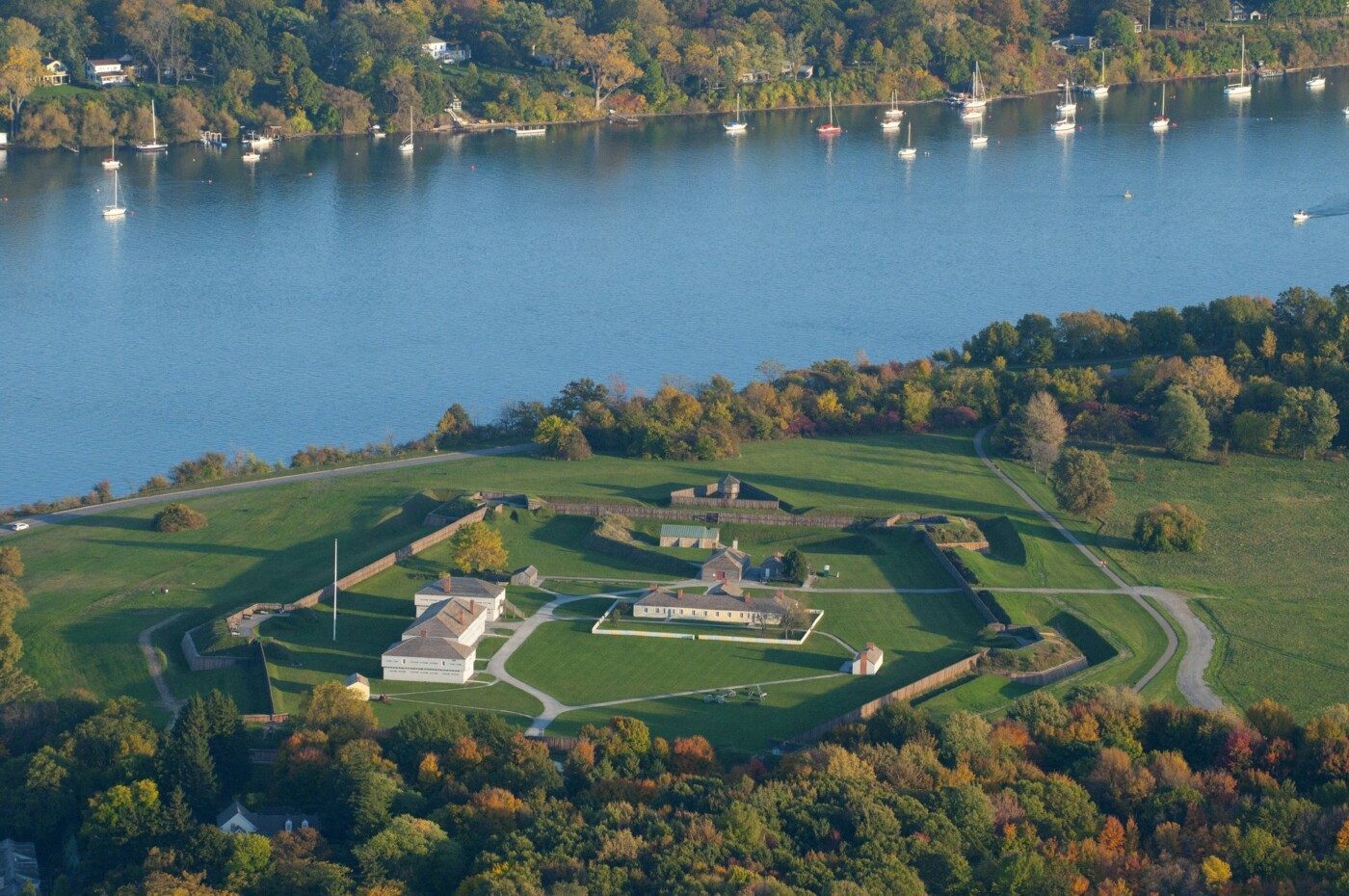
Fort George National Historic Site
This 19th-century military site offers historical context on the region's defense and is located minutes from major vineyard routes.
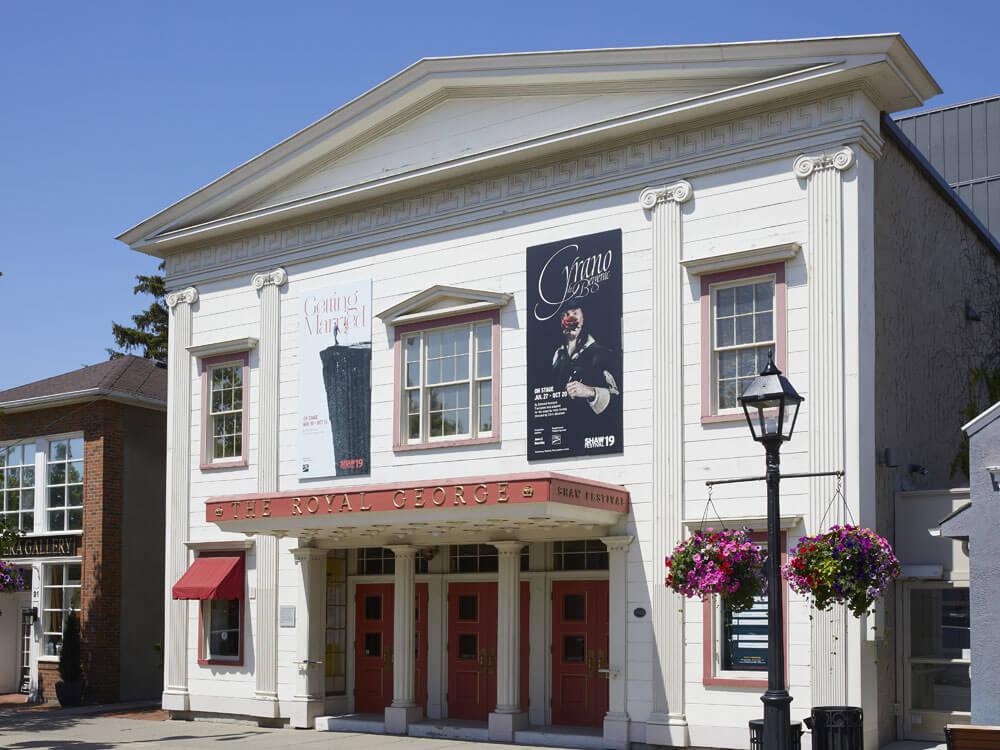
Shaw Festival Theatre
Situated in the heart of town, this venue hosts professional theatre productions that pair well with an afternoon or evening of wine exploration.
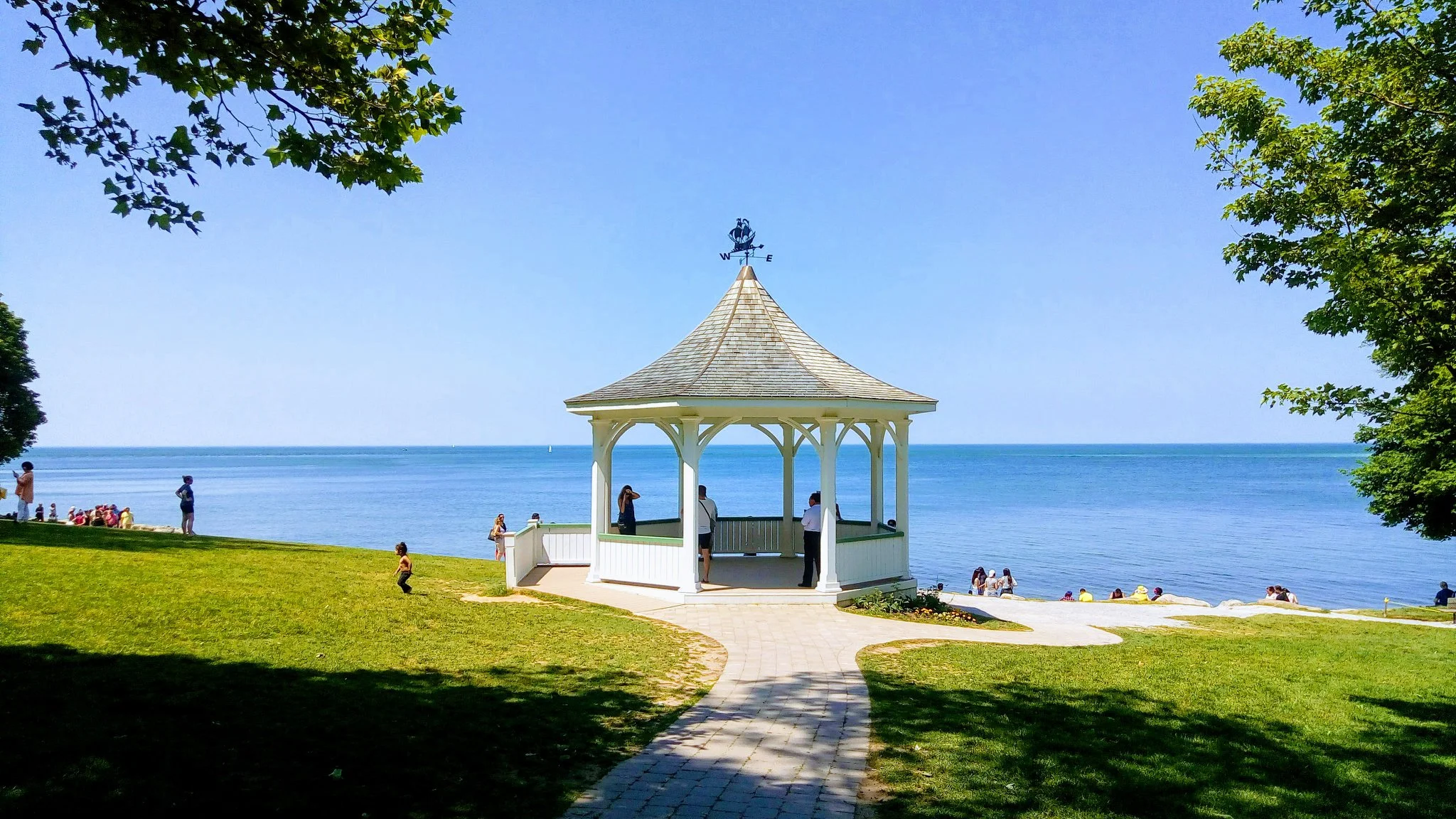
Queen's Royal Park
This waterfront park offers views of Lake Ontario and the Niagara River, serving as a quiet location to rest between scheduled wine tours.
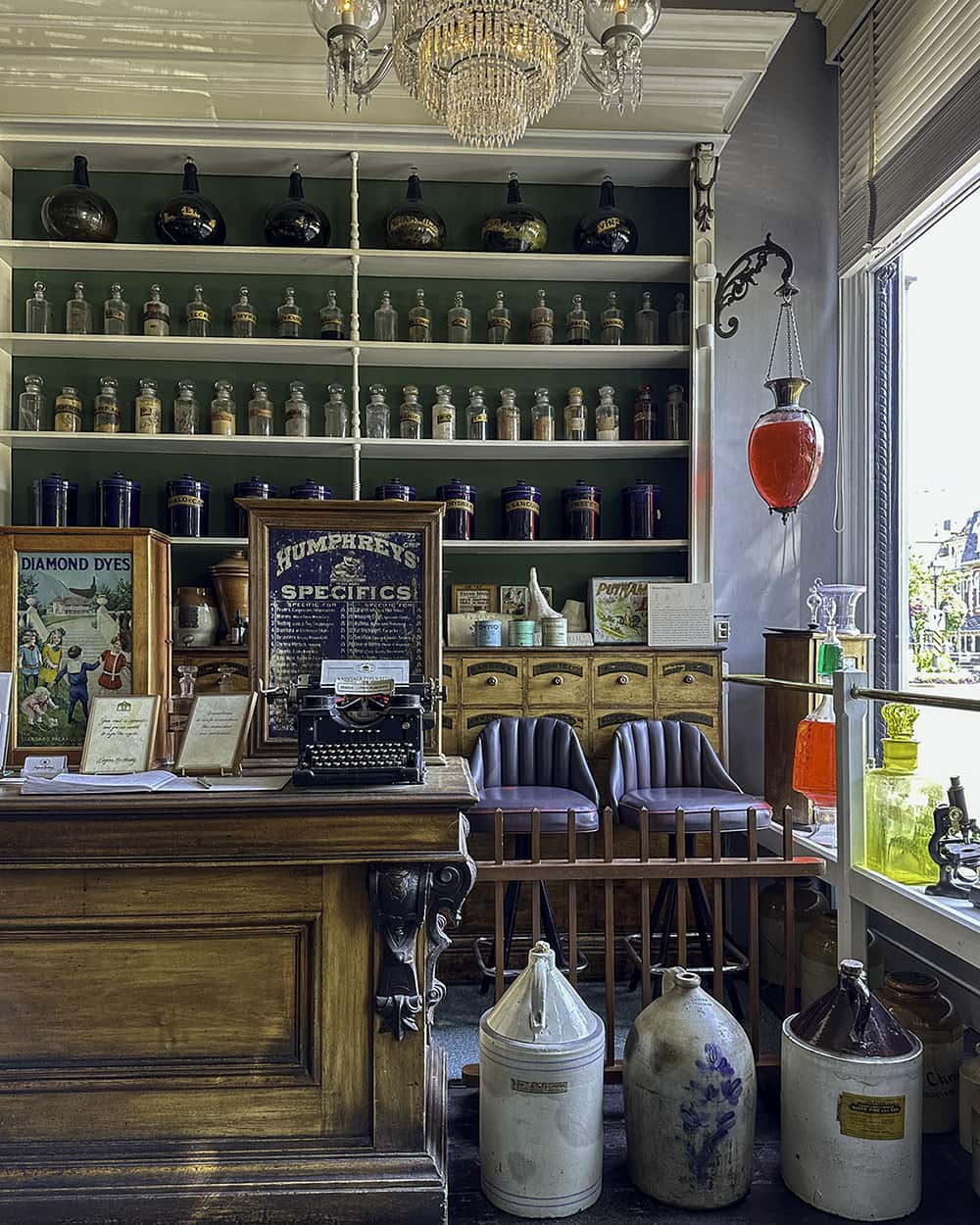
Niagara Apothecary Museum
This restored 1869 pharmacy displays original medicinal equipment and provides a look at local heritage within the town center.
Check availability
Common Questions About Niagara Wine Region Visits
Everything you need to know about toronto wine tasting events